
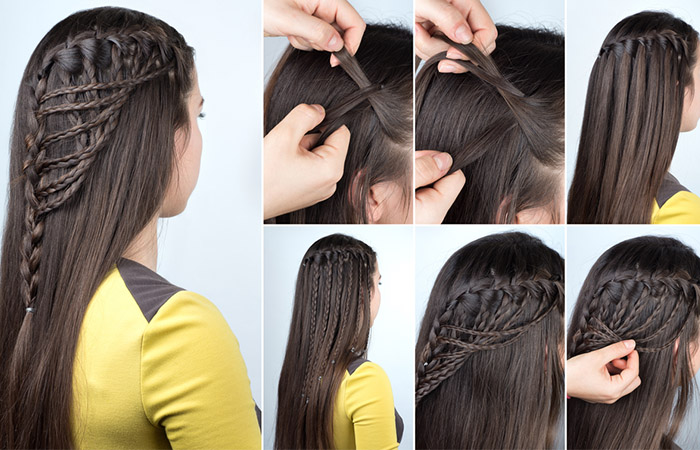
In the world of hairstyling, precision is key, especially when it comes to braids. Whether you’re aiming for a chic fishtail or an intricate cornrow design, understanding the nuances of braid length is essential for achieving the perfect look. Welcome to the ultimate guide on mastering your hairstyle, where we delve into the intricacies of the braid length chart and how it can elevate your braiding game to new heights.
Braids have been a timeless hairstyle choice for centuries, transcending cultures and generations with their versatility and elegance. From simple three-strand braids to more complex French and Dutch braids, the possibilities are endless. However, one common challenge many encounter is determining the ideal length for their braids. This is where the braid length chart becomes your trusted companion.
So, what exactly is a braid length chart, and why is it important? Think of it as your roadmap to achieving uniform and aesthetically pleasing braids. The chart typically outlines different braid lengths based on factors such as hair texture, thickness, and desired braid style. By consulting a braid length chart, you can ensure that your braids are not too tight or too loose, resulting in a polished and professional finish.
Before diving into the specifics of a braid length chart, it’s crucial to understand the basics of braiding. The length of your braid is determined by the distance between the starting point (typically the scalp or hairline) and the end of the braid. For shorter hairstyles, this may mean braiding from the roots, while longer hair allows for more versatility in terms of starting points.
Now, let’s explore how the braid length chart can be tailored to suit different hair types and styles:
- Hair Texture: The texture of your hair plays a significant role in determining the ideal braid length. For individuals with straight hair, shorter braids may be preferred to maintain structure and prevent unraveling. On the other hand, those with curly or coily hair may opt for longer braids to accommodate shrinkage and ensure longevity.
- Hair Thickness: Another factor to consider is the thickness of your hair. Thicker hair may require longer braids to accommodate the volume and ensure a secure hold. Conversely, finer hair may benefit from shorter braids to prevent them from looking sparse or limp.
- Braid Style: Different braid styles require varying lengths to achieve the desired look. For example, intricate braided updos may necessitate longer braids to create intricate patterns and designs. On the other hand, casual braided hairstyles such as fishtails or rope braids may look best with shorter lengths for a relaxed vibe.
By consulting a braid length chart tailored to your specific hair type and style preferences, you can achieve optimal results with your braids. Additionally, experimenting with different lengths allows you to discover what works best for you and your unique hair journey.
In addition to length, it’s essential to consider other factors that can impact the overall appearance and longevity of your braids. Proper maintenance and care techniques are crucial for preserving the integrity of your braided hairstyle. This includes regular moisturizing, gentle detangling, and avoiding excessive tension on the scalp.
Furthermore, paying attention to the placement of your braids can also enhance the overall aesthetic. Strategic parting and sectioning techniques can create visual interest and dimension, adding depth to your hairstyle.
As with any hairstyle, confidence is key when rocking braids of any length. Embrace your individuality and experiment with different styles to find what makes you feel empowered and beautiful. Whether you prefer sleek and polished braids or bohemian-inspired twists, the braid length chart serves as your guide to achieving hair perfection.
In conclusion, mastering the art of braiding begins with understanding the fundamentals of length and how it can impact your overall hairstyle. By utilizing a braid length chart tailored to your hair type and style preferences, you can achieve flawless braids with ease. Remember to embrace creativity, practice proper maintenance techniques, and most importantly, wear your braids with confidence.
