
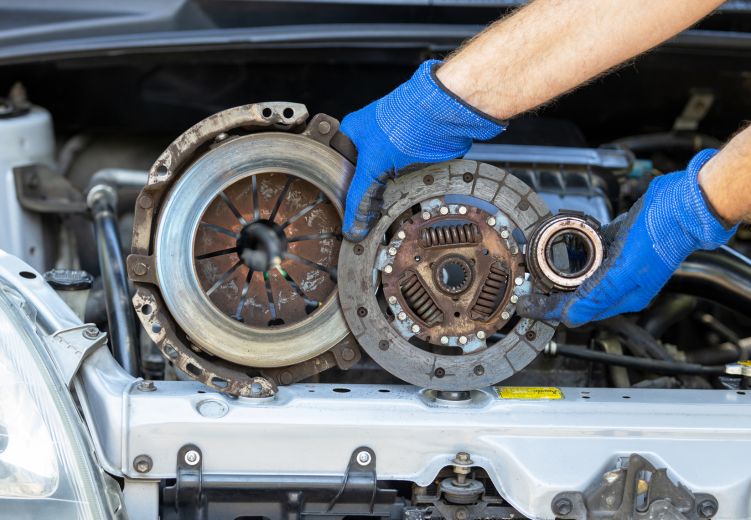
In the world of automotive maintenance, one component that requires careful attention is the clutch. The clutch automotive system is crucial for smooth gear shifting and overall vehicle performance. Understanding how to maintain your clutch properly can extend its lifespan and ensure optimal performance of your vehicle. Let’s delve into the key aspects of clutch maintenance and care.
Understanding the Clutch Automotive System
Before we discuss maintenance tips, it’s important to grasp the basics of the clutch automotive system. The clutch is a vital link between the engine and the gearbox in manual transmission vehicles. Its primary function is to engage and disengage the power flow from the engine to the transmission, allowing the driver to change gears smoothly.
The term “clutch automotive” encompasses the entire clutch assembly, including the clutch disc, pressure plate, release bearing, flywheel, and related components. Over time and usage, these parts can wear out and require attention to maintain peak performance.
Regular Inspection and Adjustment
One of the fundamental aspects of clutch automotive maintenance is regular inspection. Begin by checking the clutch pedal for proper operation and feel. A spongy or stiff pedal could indicate issues with the hydraulic system or clutch linkage that need to be addressed promptly.
Next, pay attention to any unusual noises when engaging or disengaging the clutch. Squealing, grinding, or rattling sounds might suggest worn-out clutch components that require replacement. Additionally, if you notice slipping or difficulty in shifting gears, it’s likely that the clutch is nearing the end of its life.
Check and Maintain Fluid Levels
For vehicles equipped with hydraulic clutch systems, maintaining the proper fluid level is crucial for optimal performance. Refer to your vehicle’s owner manual to locate the clutch fluid reservoir and check the fluid level regularly. Low fluid levels can lead to improper clutch operation and potential damage to the hydraulic system.
If you notice fluid leaks around the clutch master cylinder or slave cylinder, address the issue immediately to prevent air from entering the hydraulic system. Air in the clutch hydraulic system can cause spongy pedal feel and affect clutch engagement.
Drive Responsibly
The way you drive can significantly impact the longevity of your clutch automotive system. Avoid aggressive driving techniques such as riding the clutch or excessive slipping during gear changes. These habits accelerate clutch wear and can lead to premature failure of clutch components.
When starting from a stop, release the clutch smoothly without excessive revving of the engine. Similarly, when shifting gears, apply steady and deliberate pressure on the clutch pedal to minimize wear on the clutch disc and pressure plate.
Replace Worn-Out Components
Despite your best efforts in maintenance, clutch components will eventually wear out over time. When replacing the clutch, opt for quality OEM (Original Equipment Manufacturer) parts or reputable aftermarket components. Cheap or substandard clutch parts may save money upfront but can result in poor performance and reduced durability.
During clutch replacement, it’s advisable to inspect and resurface the flywheel to ensure proper mating with the new clutch components. This step helps prevent clutch slippage and ensures smooth operation after replacement.
Avoid Excessive Heat
Excessive heat is a common enemy of clutch systems. Prolonged operation in stop-and-go traffic, towing heavy loads, or aggressive driving can lead to overheating of the clutch assembly. Overheating accelerates wear and reduces the lifespan of clutch components.
If you frequently encounter heavy traffic conditions, consider giving your clutch occasional breaks by shifting into neutral at traffic stops. This practice allows the clutch to cool down and reduces wear on the friction surfaces.
Professional Maintenance
For complex clutch automotive issues or complete replacements, it’s recommended to seek professional assistance. Experienced mechanics have the necessary tools and expertise to diagnose clutch problems accurately and perform repairs efficiently.
When choosing an automotive service center for clutch maintenance or replacement, inquire about their experience with your vehicle’s make and model. A reputable technician will provide detailed estimates and explain the repair process to ensure transparency and customer satisfaction.
Conclusion
Proper maintenance of your clutch automotive system is essential for reliable vehicle performance and safety. By following these maintenance tips and adopting responsible driving habits, you can extend the lifespan of your clutch and avoid costly repairs down the road. Remember, a well-maintained clutch not only improves driving comfort but also contributes to the overall longevity of your vehicle.
